Applying for an EBT card online is a quick and convenient way to access essential benefits, like food assistance, without the hassle of visiting an office.
You can complete the application from home and track your progress with just a few easy steps.
This guide will walk you through the process, ensuring a smooth and stress-free experience.
Understanding EBT and Eligibility
EBT (Electronic Benefits Transfer) cards make it easy to access government assistance. Here are the main benefits to help eligible individuals and families.
- Food Assistance (SNAP): EBT cards let users buy essential food items through SNAP at approved stores.
- Financial Aid for Essentials: EBT cards provide funds for non-food necessities in some states.
- Cash Benefits: Certain programs allow cash withdrawals for other essential needs.
- Convenience and Security: EBT cards offer a safe way to access and use benefits, replacing paper vouchers.
- Flexible Locations: EBT cards work at many stores, farmers' markets, and some online retailers.
- Easy Balance Tracking: Users can check balances through portals, apps, or customer service.
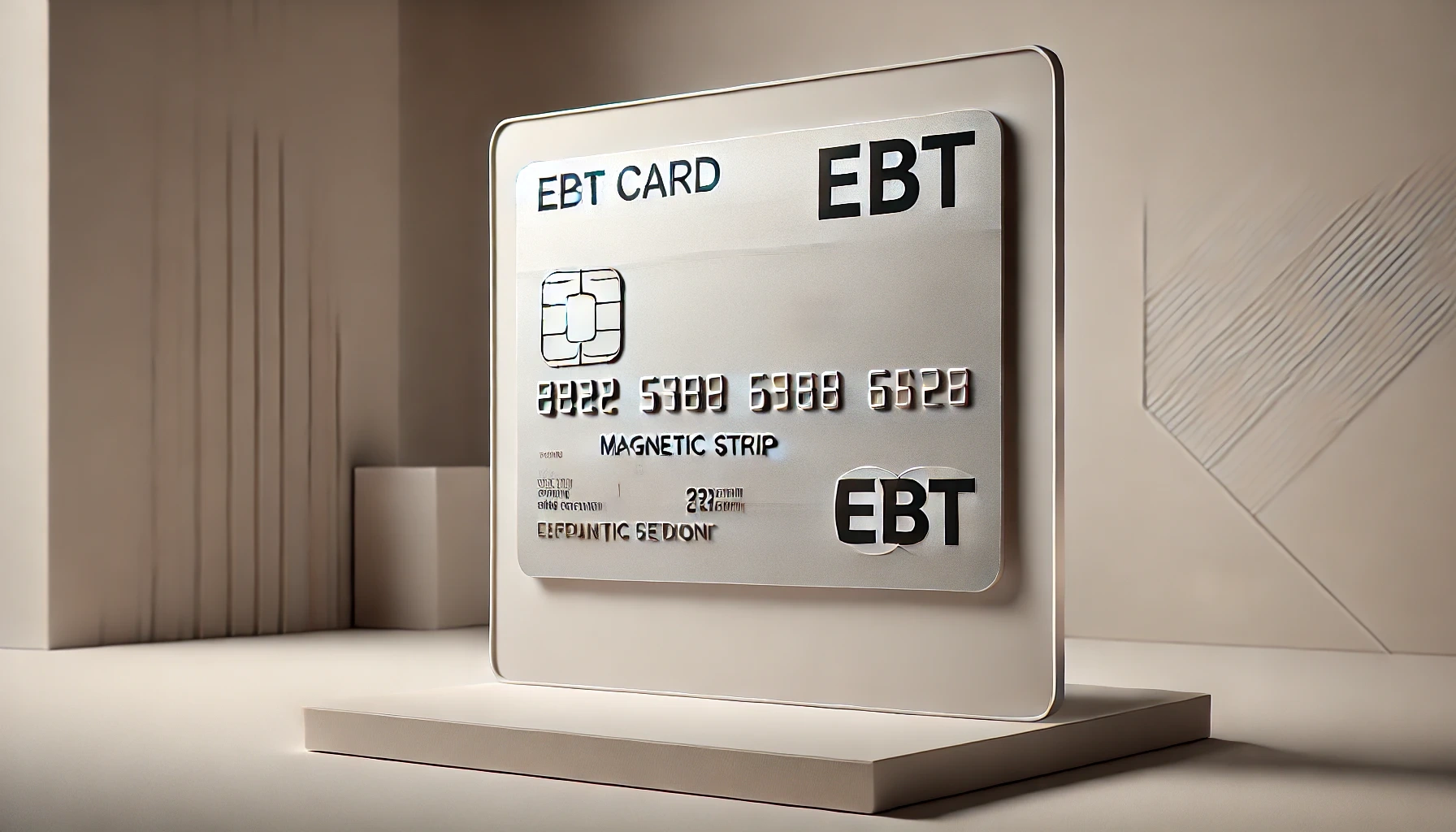
- Reduced Stigma: EBT cards look like debit cards, helping lessen stigma.
Eligibility Requirements
Applicants must meet specific requirements to qualify for an EBT card. Here’s a breakdown of the main eligibility criteria.
- Income Limits: Applicants must have income within the specified range based on household size and state guidelines.
- Residency Requirements: Applicants must be legal residents of the state where they apply.
- Household Composition: Eligibility often considers the number of dependents and their relationship to the applicant.
- Citizenship or Immigration Status: Most programs require U.S. citizenship or qualifying immigrant status.
- Resource Limits: Some states limit assets like cash or property for eligibility.
- Work Requirements: In some instances, non-disabled adults may need to meet work or job training requirements.
- Application Verification: Applicants must provide proof of income, residency, and other relevant information.
Benefits of Applying Online vs. In-Person
Applying for an EBT card online offers added convenience and efficiency. Here are the main advantages of the online application process.
- Time-Saving: Applying online eliminates the need to travel to an office, saving time and effort.
- 24/7 Access: Online applications are available anytime, allowing flexibility to apply when convenient.
- Faster Processing: Online submissions often result in quicker processing than in-person applications.
- Reduced Waiting Times: Avoiding in-office visits means no waiting in lines, making the process smoother.
- Easy Document Upload: Online systems allow you to upload documents directly, simplifying the application.
- Application Tracking: Many online portals let you check the status of your application in real-time.
- Minimized Errors: Online forms often have prompts and checks, reducing the chance of mistakes.
Preparing to Apply: What You Need
Having all the necessary documents ready before starting your EBT application can make the process faster and easier. Here’s a checklist of what you’ll need.
- Proof of Identity: You need a government-issued ID, such as a driver’s license or passport, to confirm your identity.
- Social Security Number: Your SSN and those of other household members applying for benefits.
- Proof of Income: To verify earnings, recent pay stubs, tax returns, or other income records.
- Residency Documentation: Utility bills, lease agreements, or other documents to show you reside in the state.
- Household Information: Details of household members, including ages and relationship to the applicant.
- Proof of Expenses: Documents for expenses like rent, utilities, and medical costs, which may affect eligibility.
- Bank Statements or Asset Records: In some states, proof of financial assets may be required to confirm eligibility.
Steps to Apply for an EBT Card Online
Applying for an EBT card online is straightforward if you follow the steps carefully.
Here’s a simple guide to help you through each part of the process.
- Visit the Official State Website: Go to your state’s official benefits website to access the EBT application.
- Create an Account or Log In: Register for an account or log in to access the application portal if you already have one.
- Complete the Application Form: Fill in your personal information, household details, income, and expenses as accurately as possible.
- Upload Required Documents: Attach digital copies of your ID, proof of income, residency, and other necessary documents.
- Review and Submit: Double-check your information for accuracy, then apply.
- Track Your Application: Use the online portal to track your application status and receive any updates.
- Respond to Follow-Up Requests: If the agency needs more information, respond promptly to avoid delays in processing.
Alternative Options for Accessing Benefits
If online applications aren’t ideal for you, other ways exist to apply for EBT benefits.
Here are alternative methods to access assistance programs.
- In-Person Applications: Visit your local Department of Social Services or SNAP office to apply directly with assistance from staff.
- Phone Applications: Some states allow you to apply by phone, where a representative can guide you through the application.
- Mail-in Applications: Request a paper application, fill it out, and mail it to your state’s benefits office.
- Community Assistance Centers: Nonprofit organizations and community centers often provide support for completing EBT applications.
- Mobile App Options: In some states, mobile apps are available to start or complete your application for benefits.
- Outreach Programs: Certain states have outreach programs that offer application support in underserved areas.

Processing Times and What to Expect Next
After submitting your EBT application, the review process begins. Here’s a quick look at the usual steps and timelines.
- Initial Review Period: Applications are typically reviewed within 7-30 days, depending on state and volume.
- Verification Process: The agency may request extra documents or clarification, adding a few days.
- Approval or Denial Notice: After review, you’ll receive a notice about your status by mail, email, or online.
- Card Issuance: If approved, your EBT card will be mailed within 7-10 days.
- Activation Instructions: When your card arrives, follow the steps to activate it, usually by phone or PIN setup.
- Appeal Process (if Denied): If denied, you can appeal by following the instructions in the notice.
- Track Your Status: Many portals let you check the status and receive updates.
Common Issues and Troubleshooting Tips
Applicants sometimes face challenges during the EBT application process. Here are common issues and quick tips to help resolve them.
- Application Freezes or Errors: If the site freezes, try refreshing the page, clearing browser cache, or switching browsers.
- Document Upload Problems: Ensure files are in the correct format (PDF or JPG) and within the allowed file size limit.
- Forgotten Account Password: Use the "Forgot Password" option on the portal or contact support for password assistance.
- Delayed Responses: If you don’t receive updates within the expected time, check the status online or contact your local office.
- Verification Document Requests: Respond quickly to avoid delays if the agency asks for more information.
- Missing Mail Notification: If you didn’t get a notice by mail, verify your mailing address with the benefits office.
- Lost EBT Card: Contact the EBT customer service number for a replacement card as soon as possible.
Final Takeaways
Applying for an EBT card online is a simple, efficient way to access essential benefits with minimal hassle.
By following the steps and tips provided, you can ensure a smooth application process from start to finish.
Take the first step toward securing your benefits by starting your application online today.