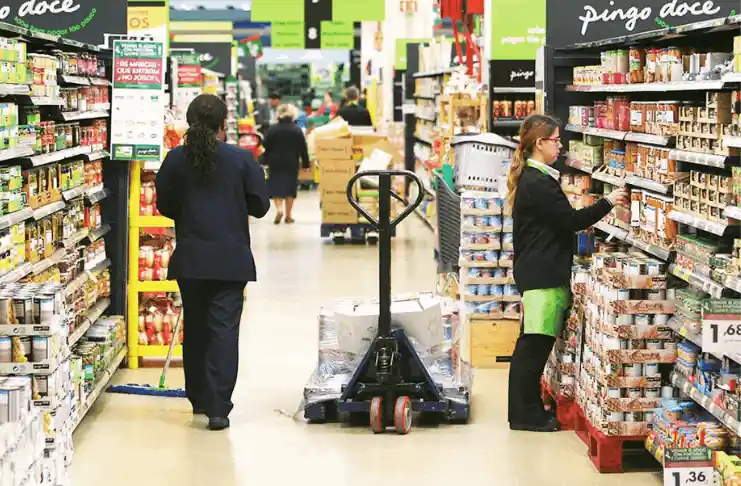
Food delivery work has expanded across Europe, creating flexible earning opportunities in many cities. These roles can suit students, newcomers, and people between jobs.
This guide explains platforms, requirements, application steps, income tips, and legal considerations. It also covers food delivery jobs Europe, transport options, taxes, insurance, and practical preparation.
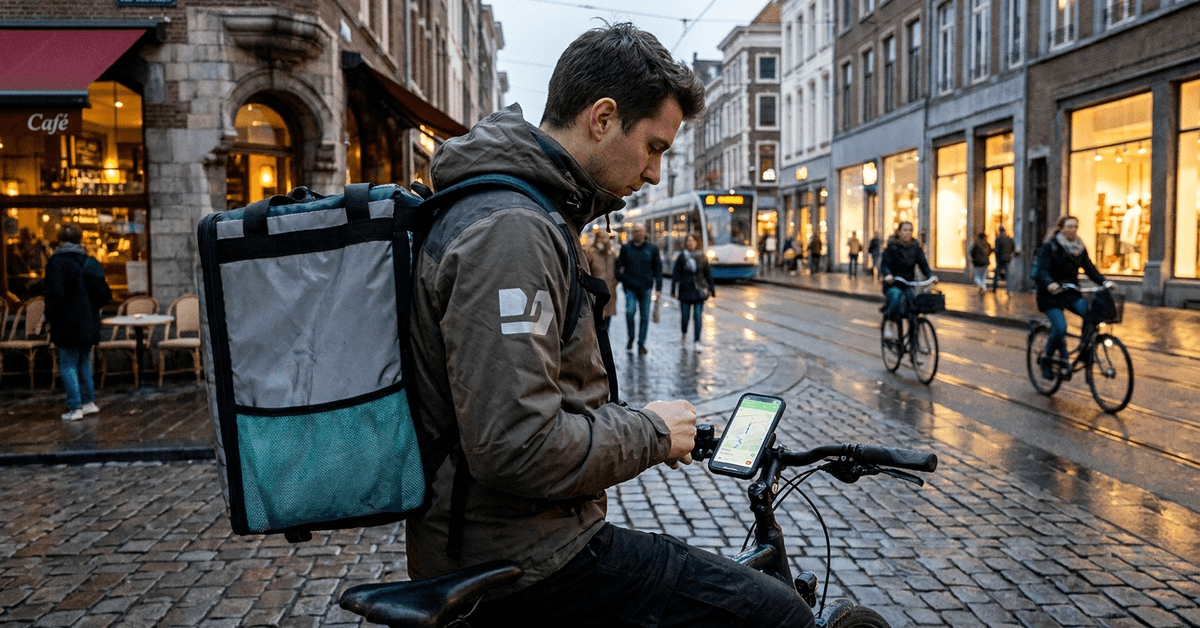
Why Food Delivery Jobs Are Popular in Europe
Delivery work attracts people who value flexible scheduling options and independent routines. Demand also continues across large cities and some smaller urban areas.
Work Flexibility and Scheduling
Many couriers choose delivery work because schedules can be more flexible than traditional shifts. Students and people managing family responsibilities may appreciate greater time control when selecting working periods. However, lunch and dinner peaks often provide the strongest order volume.
Broad Demand Across Cities
Major cities such as Madrid, Berlin, and Amsterdam have established delivery service demand. Smaller towns are also adopting app-based food delivery as customer habits change. Availability still depends on which platforms operate in each location.
Extra Perks and Incentives
Some delivery platforms offer referral rewards, temporary bonuses, or guaranteed earning periods. These additional courier incentives are not always available and may depend on location or demand. Couriers should review current conditions before relying on promotional income.
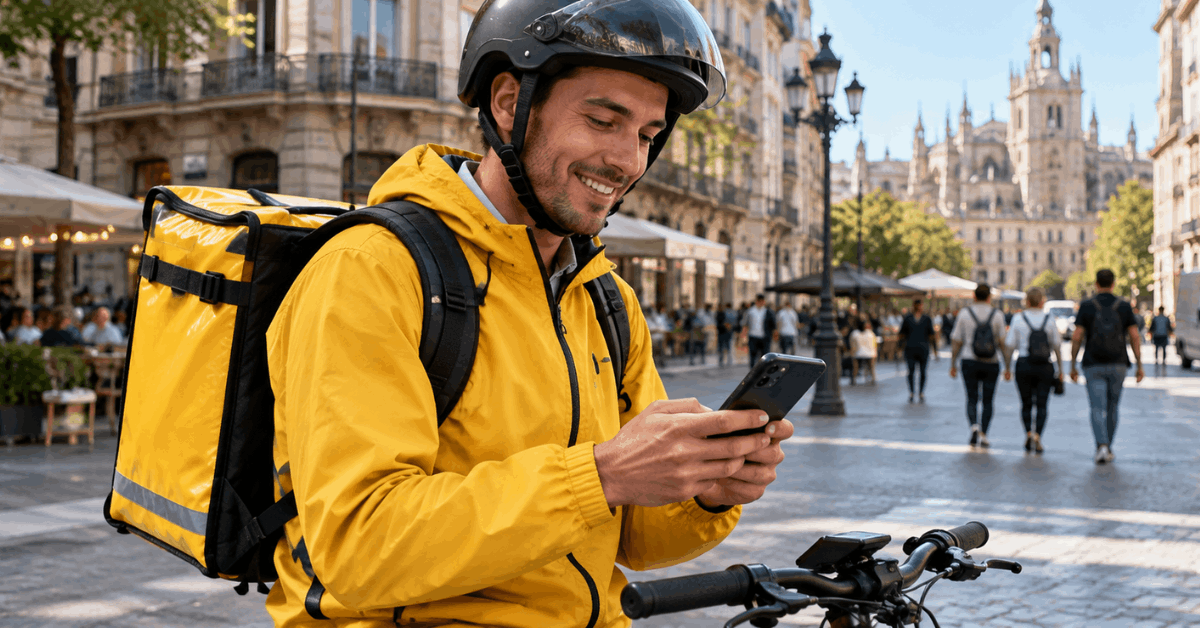
What Are the Main Food Delivery Platforms in Europe?
Several delivery companies operate across different European markets, although availability varies by country. Popular platforms include Uber Eats, Deliveroo, Glovo, Just Eat, and Wolt.
Availability can change as platforms enter or leave markets, adjust courier models, or pause recruitment. Checking official information helps applicants understand whether registration is open, which vehicle types are accepted, and how payments are structured. This comparison can also prevent applicants from preparing documents for a service that is not recruiting nearby.
These platforms often use similar courier systems for registration, document verification, order acceptance, and payments. However, contracts, fees, schedules, and employment classifications can differ significantly between countries.
Common Requirements to Start as a Food Courier in Europe
Entry requirements are generally straightforward, but local laws and platform rules still apply. Applicants should confirm country-specific requirements before starting registration.
Minimum Age and Eligibility
Most platforms require couriers to be at least 18 years old. Applicants usually need valid identity documents and legal permission to work in the country. Residence permits, visas, or additional paperwork may be necessary depending on immigration status.
Vehicle Options
Bicycles are commonly accepted for delivery work in European cities. Scooters, motorcycles, and cars may also be allowed depending on the platform and local transport rules. Motorized vehicles can require licenses, insurance, registration, and additional operating costs.
Background Checks
Some companies conduct background screening or request criminal record documentation before activation. The verification process can vary by jurisdiction and may take several days. Applicants should provide accurate documents to reduce unnecessary delays.
Smartphone and Data Access
A reliable smartphone is central to delivery work because orders are managed through an app. Couriers need stable mobile data for navigation, customer communication, and order updates. Battery life and charging options also matter during longer shifts.
Step-by-Step Guide: Application Process for Food Delivery Jobs
The registration process generally follows a similar pattern across major platforms. People researching how to apply courier jobs Europe should still check the exact instructions for each company and country.
- Select a Platform: Research which companies operate locally and compare requirements, payment structures, and available transport options.
- Online Registration: Complete the delivery driver application through the platform’s official website or courier app.
- Submit Documents: Upload identification, address details, work authorization, and vehicle documents when required.
- Background Checks: Complete any screening steps and provide tax or banking information if requested.
- Download Courier App: Activate the courier profile after documents and eligibility are verified.
- Onboarding or Briefing: Complete any online or in-person introduction covering platform rules and safety guidance.
- Start Accepting Deliveries: Begin taking orders once the account becomes active and all required steps are complete.
Tips for a Smooth Start and Higher Income Potential
Starting well requires more than simply completing registration. Couriers can improve day-to-day efficiency by understanding busy periods, equipment, payments, and local conditions.
Understanding Prime Shifts
Lunch and dinner periods usually generate the greatest delivery demand. Working during high-volume periods can increase the number of available orders. However, traffic, restaurant delays, and courier competition may also be greater during those times.
Choosing the Right Equipment
Reliable equipment can make delivery work safer and more comfortable. Couriers often use insulated delivery bags, rain protection, lights, phone mounts, and portable chargers. Equipment requirements should be checked because some platforms provide certain items while others do not.
Banking and Payment Cycles
Payment schedules differ between delivery companies and countries. Some platforms pay weekly, while others may offer different payout cycles or optional faster withdrawals. Understanding payment timing can help couriers plan regular expenses.
Local Language Skills
Basic local language knowledge can make restaurant pickups and customer interactions easier. Even simple communication skills can reduce confusion about entrances, addresses, or order problems. English may be useful in many cities, but it does not replace local language ability everywhere.
Multi-Platform Strategies
Some couriers register with more than one delivery service to increase available work. This multi-platform approach can provide additional scheduling options when one app is quiet. Couriers should avoid accepting overlapping orders that could create delays or violate platform rules.
Legal and Tax Considerations for Food Couriers in Europe
Courier status differs across Europe because employment rules vary between countries. People working in the gig economy should understand taxes, insurance, and worker classification before accepting deliveries.
Self-Employment Status
Some couriers work as independent contractors, while others may have employee status depending on the country and platform. Worker classification rules determine responsibilities for taxes, invoicing, and employment protections.
Couriers should verify their legal status rather than assume self-employment automatically applies.
Social Security and Health Contributions
Social security obligations vary according to employment status and national law. Self-employed couriers may need to make mandatory contributions toward healthcare, pensions, or other benefits. Registration requirements should be checked with the relevant local authority.
Insurance and Liability
Insurance can cover accidents, personal liability, vehicle damage, or injuries during deliveries. Some platforms provide limited courier coverage, while others expect workers to arrange appropriate insurance independently. Motorized couriers should confirm that their vehicle policy permits commercial delivery activity.
Conclusion
Food delivery work can provide flexible earning opportunities across many European cities and towns. Requirements, contracts, taxes, and platform availability vary by country.
Applicants should compare local rules, payment structures, and insurance before registering. Careful preparation can make courier work safer and clearer from the first application onward.