Japan’s convenience stores are part of daily life, and 7-Eleven is widely recognized. Foreign residents consider part-time work for flexible hours or extra income.
This guide explains wages, visas, applications, duties, taxes, and workplace expectations. It helps newcomers decide whether a 7-Eleven baito role fits their plans.
Why 7-Eleven Baito Jobs Are Popular Among Foreigners in Japan
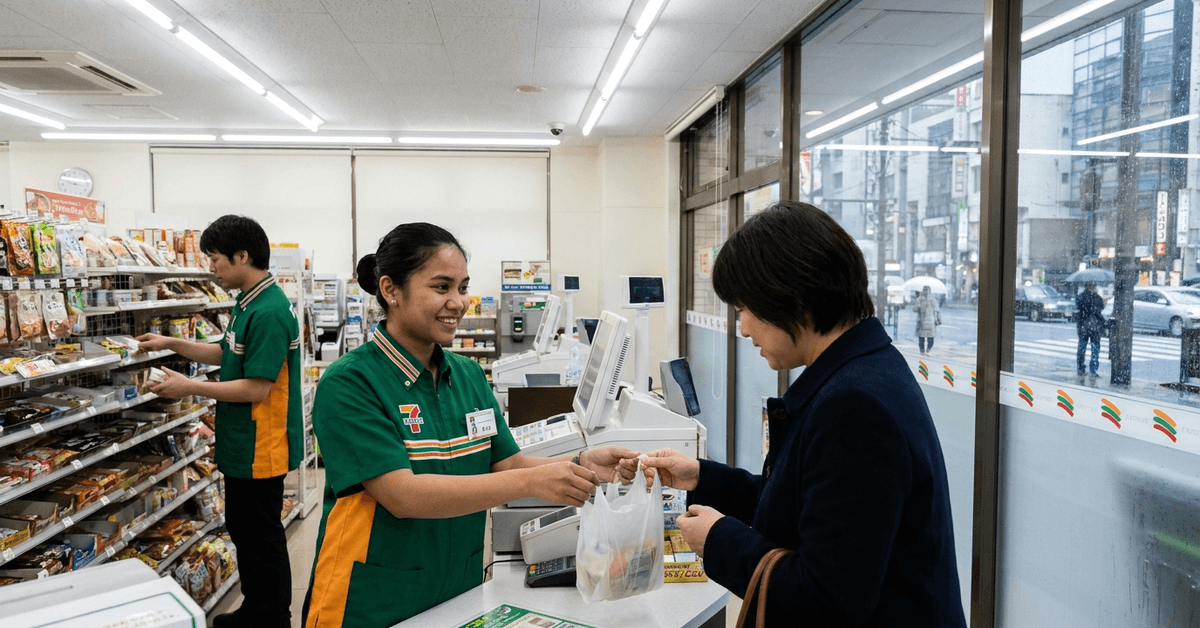
For foreigners, 7-Eleven can provide steady income, language practice, and workplace experience. People searching for 7-Eleven jobs Japan opportunities may value widespread locations and flexible shifts.
Flexible Shifts and Accessibility
Many stores operate around the clock, creating different shift options for students and workers. Many locations shorten commutes. Schedules depend on each store’s staffing needs.
Accessible Work for Beginners
Previous experience is unnecessary for entry-level applicants. New staff learn cashier work, stocking, cleaning, and other duties. Early shifts may feel unfamiliar, but repetition helps.
Opportunity for Language Exposure
Customer interactions provide regular Japanese language practice. Repeating greetings, product names, numbers, and service phrases builds confidence. Mistakes happen, but steady exposure improves communication.

Understanding Hourly Wages at 7-Eleven Baito in Japan
Hourly pay varies by region. The figures below reflect the article’s stated wage ranges and may differ by branch.
Typical Hourly Rates by Region
Rates depend on location, store, and scheduled working hours. Night work can carry higher pay.
- Tokyo and major cities: from ¥1,100 to ¥1,300 per hour
- Rural or regional areas: typically ¥900 to ¥1,050 per hour
- Night shifts: can offer a 25% wage premium, pushing rates higher
Some stores may pay above local minimums. City locations can have stronger applicant competition, making Japanese or previous experience helpful.
Factors That Affect Salary
Several factors influence hourly earnings between stores. Applicants should check each listing before assuming equal rates.
- Location, with urban stores often paying more
- Time of shift, with late evenings and overnight work often paying more
- Japanese language ability and previous work experience
New hires may begin near the lower pay range. Consistent performance can sometimes support future wage increases.
Additional Perks and Bonuses
Some stores provide extra workplace benefits including holiday incentives, food discounts, or transport support. Benefits vary. Applicants should confirm perks.
Visa Requirements for Foreigners Seeking Baito at 7-Eleven
Foreign residents need a status permitting work or appropriate authorization before paid employment. Understanding visa work rules is essential when working in Japan.
Common Eligible Visa Types
Eligibility depends on immigration status and attached permissions. Foreign residents should verify their individual work conditions before accepting shifts.
- Student Visa: Allows up to 28 hours of work per week during semesters and up to 40 hours per week during school holidays, with permission for activities outside the visa scope.
- Dependent Visa: Many dependents can apply for permission to work up to 28 hours per week.
- Designated Activities Visa: Some holders, including working holiday participants, can take part-time or full-time jobs.
Students and dependents generally need permission before paid baito. Those planning to apply baito should have authorization ready before accepting work.
Restrictions and Prohibited Activities
Tourist and trainee statuses can prohibit paid employment. Unauthorized work can risk visa cancellation or deportation. Managers may request a residence card and proof of work permission.
How to Apply for a Baito Position at 7-Eleven in Japan
Applications can be completed through stores or online listings. Applicants seeking a convenience store part-time job can prepare documents before contacting a branch.
Application Methods
Candidates can use more than one recruitment channel. The best method depends on store staffing needs.
- In-store: Visit a branch displaying a hiring notice and ask about available positions.
- Online: Use the official 7-Eleven part-time recruitment site to search openings by area and apply digitally.
Online applications are convenient, while in-person inquiries suit nearby applicants. Response times depend on the individual store manager and staffing needs.
Interview Basics
Interviews are commonly handled by the local manager. Basic Japanese helps discuss availability and duties. Clean clothing, identification, and work-permission documents support preparation.
Resume Rirekisho Tips
A Japanese resume organizes education and experience for employers. Applicants should keep dates and contact information accurate.
- Prepare a basic Japanese resume using a standard template
- Highlight part-time work, volunteer experience, or Japanese study
- Focus on reliability, availability, and willingness to learn
Some stores provide forms on site. Having dates, previous jobs, and personal information ready can make completion smoother.
What to Expect When Working at 7-Eleven: Day-to-Day Realities
Shifts combine customer service, stocking, cleaning, and other duties. Work becomes fast paced during commuting hours and meal periods.
Common Job Duties
Workers perform several recurring tasks each shift. Learning the store routine helps new staff change duties confidently.
- Cashier operations
- Restocking shelves and coolers
- Making and packaging simple foods such as onigiri, oden, and sandwiches
- Cleaning and basic maintenance tasks
- Handling delivery shipments and organizing storerooms
Busy periods may require several duties at once. Experienced coworkers can make the learning period easier, although management styles vary.
Japanese Language Demands
Most stores require Japanese for basic customer service and workplace communication. Reading numbers, product names, and routine requests is useful. Practice can improve speed and confidence with customers.
Legal, Tax, and Compliance Notes for Foreign Workers
Foreign workers must consider immigration, taxes, and social insurance. Keeping employment records helps track deductions and income.
Income Reporting and Taxes
Baito wages face income tax withholding, with deductions shown on payslips. Students may avoid resident tax below applicable income thresholds. Keeping yearly pay around ¥1,030,000 or less can help avoid additional burdens.
Health Insurance and Pension
Working over 20 hours weekly at one workplace for more than two months may trigger social insurance enrollment. This can include pension and health coverage. Qualifying participation is required by law.
Tips to Succeed and Thrive in a 7-Eleven Baito Role
Success depends on punctuality, communication, and willingness to learn. These practical habits can help new employees adjust.
- Be punctual and reliable because Japanese workplaces value consistent attendance
- Build respectful communication with coworkers and customers
- Ask questions when instructions are unclear
- Learn product locations to improve stocking and customer service
- Treat language mistakes as part of the learning process
A calm approach makes early weeks easier. Workers often gain greater confidence as routines and communication improve.
Conclusion
A 7-Eleven baito role can offer flexible part-time work for eligible foreigners seeking income and experience. Understanding wages, visa conditions, applications, and duties can help applicants prepare.
Legal work permission and accurate documents remain important before accepting shifts. With preparation, language practice, and reliability, the role can provide useful Japanese workplace experience.