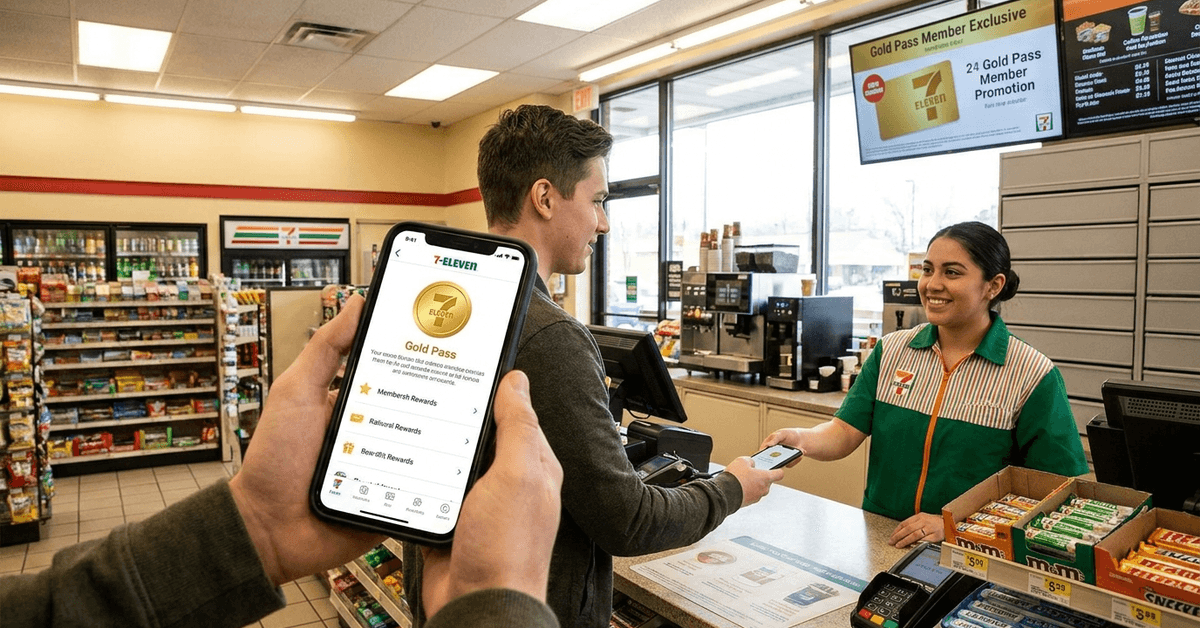
For frequent drivers, fuel costs can become a major monthly expense. A rewards card for gas may return value through discounts, points, or credits.
This guide explains how gas cards work, which features matter, and key limitations. It also covers comparisons, practical tips, legal considerations, and evaluating a gas station rewards card.
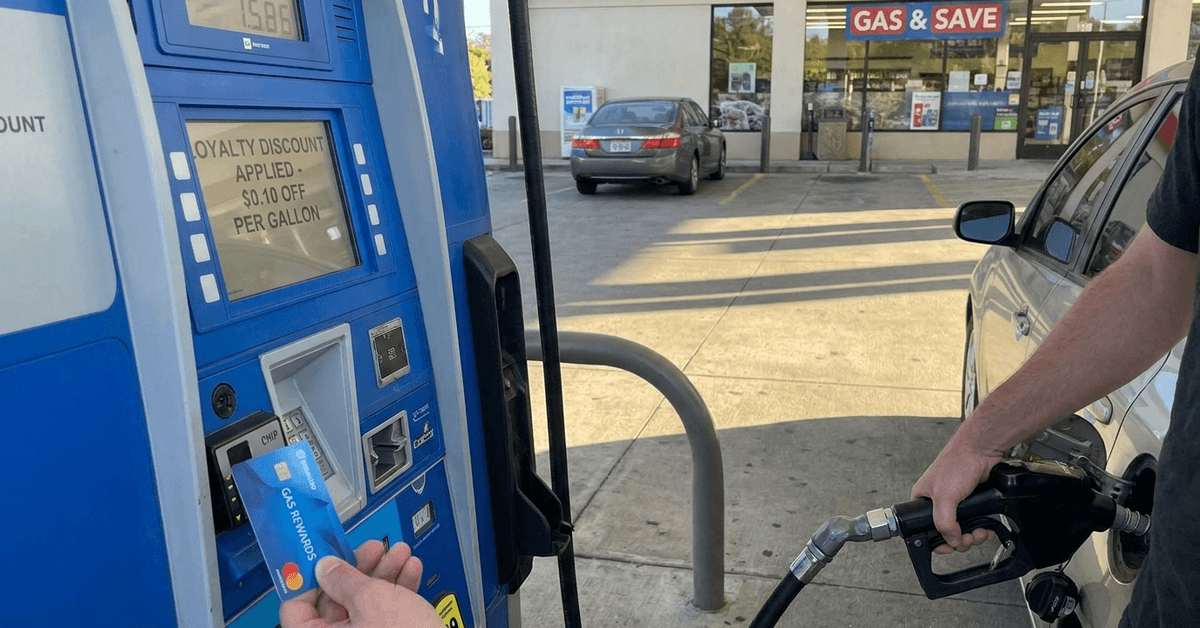
Understanding Gas Rewards Cards
Gas rewards cards provide value on fuel purchases, but structures vary by issuer. Some focus on one fuel brand, while others reward purchases across many stations.
General vs. Brand-Specific Gas Cards
Brand-specific cards usually provide fuel-focused savings at one chain or network. General cards may offer points or cash back across many stations, giving travelers flexibility. The better choice depends on where you refuel, your routes, and broader rewards.
Main Types of Rewards Structures
Gas cards usually use three common formats. Understanding each structure makes comparisons easier.
- Cash back per gallon: Provides a simple reward that is easy to calculate.
- Points or miles: May offer broader redemption choices but require more tracking.
- Instant pump discounts: Reduce the purchase price immediately instead of requiring later redemption.
Key Features to Consider When Choosing a Gas Rewards Card
One driver's strongest option may not suit another because spending patterns differ. Comparing costs, rates, and redemption rules can reveal what fits normal everyday fuel habits over a typical full year.
Rewards Rate on Gas Purchases
The earning rate determines how much value fuel spending generates. Some cards advertise higher percentages or per-gallon savings; others provide smaller rewards. Drivers looking for the best fuel credit card should compare returns after limits, exclusions, and annual costs.
Annual Fee and Whether It Is Worth It
An annual fee can reduce the net reward value of a card. High-mileage drivers may offset the charge, while occasional drivers may prefer a no-fee option. Comparing yearly rewards with the fee gives a clearer picture than focusing on the advertised rate.
Redemption Flexibility
Rewards may be redeemed as credits, travel, gift cards, merchandise, or fuel discounts. Flexible redemption options can be useful when driving habits change. Fuel-only rewards may still suit people who consistently use the same stations.
Other Purchase Categories
Some gas cards provide bonuses for groceries, dining, travel, or everyday spending. These additional earning categories can increase value for someone using one card broadly. Drivers focused only on fuel may prefer a simpler card.
Introductory Offers and Bonus Categories
Signup bonuses and promotional rates can make a card look valuable. However, long-term earning rates usually matter more after the introductory period ends. Comparing ongoing terms helps prevent a temporary offer from outweighing long-term value.
Evaluating Gas Rewards Cards: What to Watch Out For
Rewards advertisements may not show every restriction, so card terms matter. Spending caps, merchant classifications, and transaction fees can change expected value.
Reward Caps and Earning Limits
Some cards apply higher fuel rewards only until a quarterly or annual spending threshold is reached. Afterward, the standard rewards rate may be much lower. High-volume drivers should estimate how quickly they could reach that limit before judging the rate.
Eligible Purchases and Exclusions
A card may only reward transactions coded as purchases from qualifying gas stations. Fuel bought at supermarkets or warehouse clubs can fall into different merchant categories. Reviewing eligibility rules before use can reduce surprises.
Foreign Transaction Fees
Drivers crossing international borders should consider whether a card charges foreign transaction fees. These additional card fees can reduce fuel rewards earned abroad. A card without them may suit frequent cross-border travel, depending on acceptance.
Comparing Popular Gas Rewards Cards
Card structures vary, so comparing fees and rewards side by side is useful. The examples below show common trade-offs rather than current offers.
Sample Card Types
These examples show how different reward systems may work. They can help drivers decide how to choose gas card features based on fuel spending.
- Brand Card A: Offers a per-gallon discount at participating stations, no annual fee, and rewards limited to that brand.
- General Cash Back Card: Provides a percentage back on eligible gas purchases, may charge a fee, and allows broader redemption.
- Flexible Rewards Card: Awards points on gas and other categories, with several redemption choices and potentially no annual fee.
No card is automatically the most valuable option. A lower reward rate with no annual fee can save more for someone who refuels less often. Comparing yearly fuel spending, likely rewards, and total costs gives a realistic estimate.
Tips for Making the Most of Gas Rewards
Once selected, a few habits can improve reward efficiency. The goal is to earn benefits without spending more to collect rewards.
Use the Card at Stand-Alone Gas Stations Only
Some cards award enhanced rewards only at merchants categorized as gas stations. Supermarket or warehouse club purchases may not qualify for the higher earning rate even when buying fuel. Issuer terms can confirm where enhanced rewards apply.
Pair with Store Loyalty Programs
Fuel loyalty programs may provide discounts or points separately. Programs from brands such as Shell can be compared with card reward benefits to see whether both apply. Drivers should check each program's rules because exclusions differ.
Monitor Spending to Avoid Reward Caps
Cards with quarterly or annual limits require spending awareness to maintain expected value. Banking tools and statements can show how much eligible fuel spending has accumulated. Monitoring limits also shows when the earning rate changes.
Redeem Rewards Regularly
Rewards can have expiration, minimum redemption, or account-status requirements. Reviewing balances periodically helps prevent unused reward value from being overlooked. Regular redemption also shows the card's practical benefit.
Legal and Tax Considerations for Gas Card Users
Personal card rewards generally differ from business expense treatment when fuel is purchased commercially. Cardholders should review applicable tax rules and issuer terms.
Business Use and Reporting
Business owners may need to record fuel purchases and rebates differently. The treatment of business fuel rewards can depend on local tax rules, accounting practices, and card use. A qualified tax professional can clarify reporting when rewards affect deductible expenses.
Consumer Protections and Terms
Fraud protection and dispute procedures matter because cards can face unauthorized use. Strong account security features may matter as much as a higher rewards rate. Cardholders should review policies, monitor transactions, and report suspicious activity through official channels.
Conclusion
A gas rewards card can reduce some fuel costs when its earning structure matches normal driving habits. Fees, caps, exclusions, and redemption rules should be considered before selecting an option.
Drivers seeking cash back gas benefits should compare total annual value rather than promotional rates alone. Careful review and account monitoring can make fuel rewards easier to use effectively.