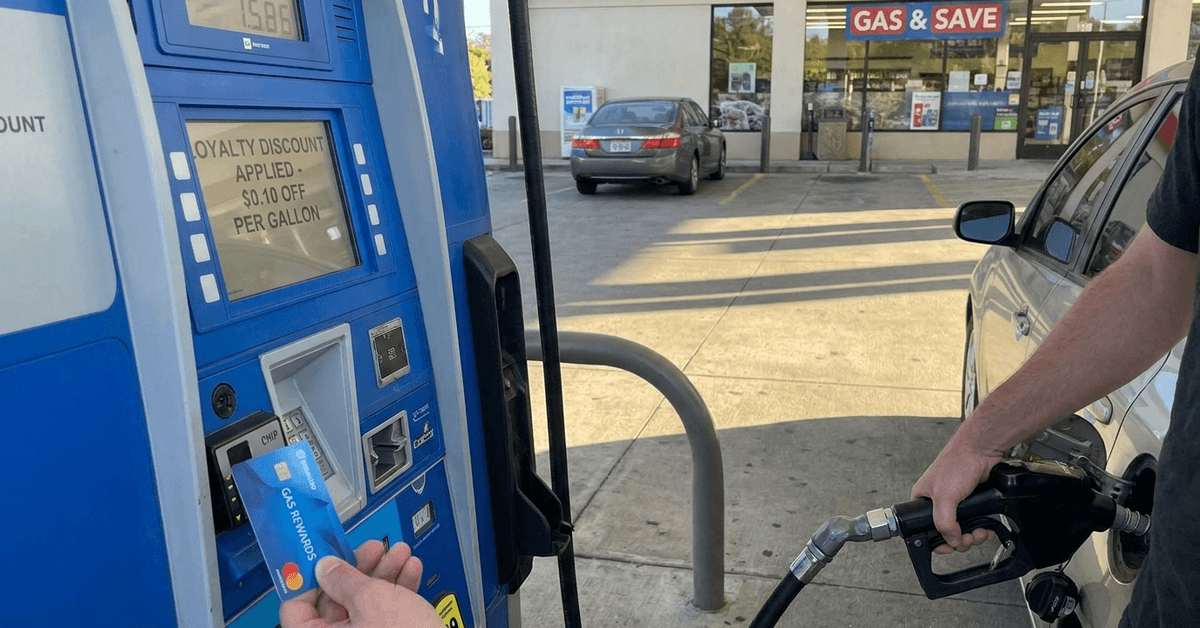
The PayPal Prepaid Mastercard was once a convenient option for prepaid spending, especially for people who preferred predictable balances without carrying revolving debt or interest.
This guide explains what the card offered and what changed in 2026. It also covers funding, fees, security, and current alternatives. Readers can use these details to understand the former product and compare replacements.
What Is the PayPal Prepaid Mastercard?
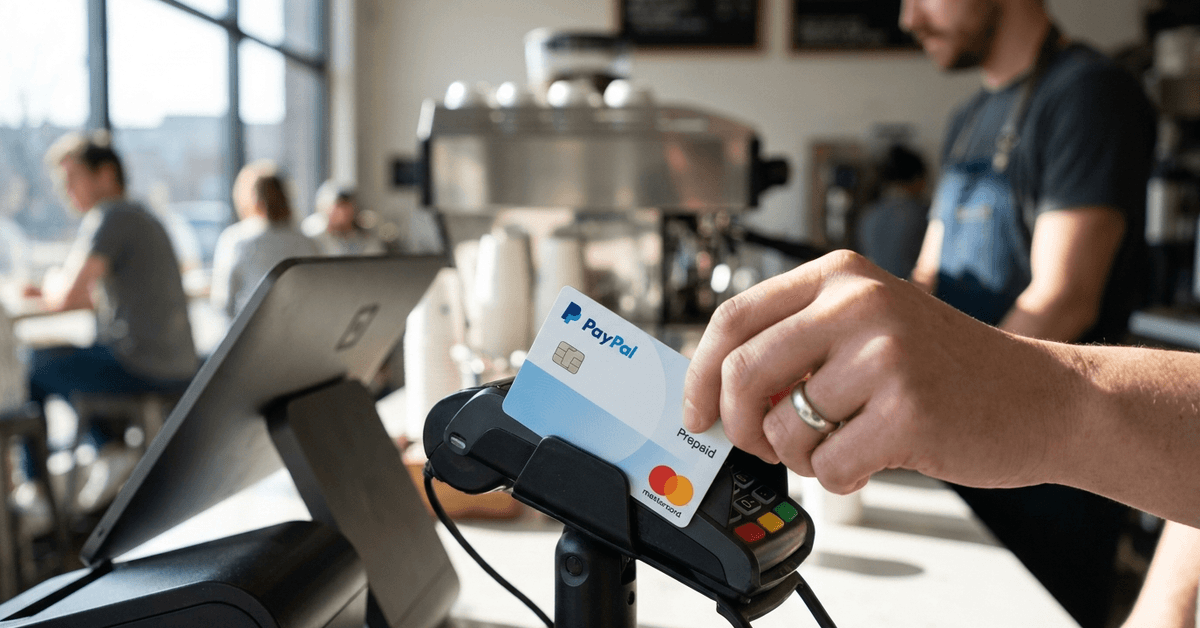
The PayPal Prepaid Mastercard was a reloadable product connected with PayPal and administered through Netspend, and it could be used wherever the applicable Mastercard network was accepted.
It supported purchases, withdrawals, and funded spending without functioning as a traditional credit card.
Who Might Need a Prepaid Card Like This?
The product appealed to people who wanted separate spending money or preferred prepaid budgeting, including online shoppers who wanted clearer limits on everyday discretionary spending.

Today, users seeking a similar setup should compare current debit or prepaid options because the original program has ended.
Key Features and Benefits
The former card focused on funding, Mastercard acceptance, and spending control, especially for users focused on straightforward control of available funds. Those features remain useful when comparing a modern reloadable debit card.
Accessibility and Easy Funding
Cardholders could add money through direct deposit, PayPal transfers, and cash reload networks, with each method carrying its own timing requirements and possible service charges.
Because the product was prepaid, users did not rely on a credit line. Funding limits and fees varied by method.
Security and Flexibility
The card included Mastercard protections and account-management tools, while account alerts could also help users notice unfamiliar activity sooner.
Users could monitor activity and report suspicious transactions through supported channels. Security still depended on protecting credentials and acting quickly after unauthorized activity.
How to Apply for the PayPal Prepaid Mastercard
The original PayPal Prepaid Mastercard program ended on April 30, 2026, making current verification important before relying on older application instructions.
New customers cannot open it, and anyone searching to apply PayPal prepaid should compare current PayPal or Netspend options instead.
1. Confirm Current Product Availability
Before submitting information, confirm that the product still accepts new customers because discontinued products can remain visible in search results for months.
The former PayPal Prepaid Mastercard no longer accepts applications. Current products have different eligibility rules and structures.
2. Visit the Official Product Page
Use an official provider page instead of an advertisement or third-party link. The PayPal page explains the discontinued program and transition information. This helps prevent confusion with older application guides.
3. Enter Your Information
Current replacement products may request legal name, address, date of birth, and contact details, and accurate details help prevent delays during required verification checks.
Requirements vary and may include identity verification. Avoid pages claiming to open the discontinued prepaid product.
4. Link or Fund the Account
A current debit or prepaid replacement may need an account or funding source. PayPal’s present debit card links to a PayPal Balance Account rather than the former program. Netspend products follow separate terms.
5. Review and Submit
Read current fees, limits, privacy terms, and disclosures before completing a request. A prepaid product should not be confused with a prepaid credit application because spending generally uses existing funds. Terms differ between providers.
6. Card Delivery and Activation
If a replacement card is issued, follow the provider’s delivery and activation instructions. PayPal’s current debit product can provide digital access and a physical card. Delivery and activation depend on the chosen product.
Funding and Managing Your Card
Funding methods vary between current PayPal and Netspend products. Users should compare transfers, cash reloads, direct deposit, and fees before choosing.
Direct Deposit
Direct deposit can route paychecks or eligible government payments into supported accounts. It can make recurring funding easier. Availability and posting times depend on the provider.
PayPal Transfers
Current PayPal users can move eligible funds according to account rules. The old prepaid transfer structure no longer applies. Users should review current debit card and PayPal Balance terms.
Cash Reload Networks
Some current accounts allow cash reloads at participating retailers. Fees and limits vary by provider and location. Checking the official fee schedule can prevent unexpected costs.
Fees and Limitations – What to Expect
Fees and limits can affect prepaid or debit value, especially for users who withdraw cash regularly. Current terms should replace older PayPal Prepaid Mastercard fee schedules when comparing alternatives.
Monthly and Transaction Fees
The discontinued product had its own fee structure, while replacements follow different schedules. Current PayPal Debit Card terms state no fee to open the card or make U.S. purchases, though some ATM and international transactions cost extra. Netspend products may charge differently.
Spending and Withdrawal Limits
Debit and prepaid accounts commonly impose withdrawal, purchase, or reload limits. PayPal’s current debit card publishes ATM limits and network rules. Users should review limits before large purchases or frequent cash access.
Common Questions About the Application Process
Older application advice can mislead now that the program has ended. These answers focus on current considerations.
Does Applying Affect Credit Scores?
The former prepaid product was not a traditional credit card. Current debit or prepaid products generally do not involve borrowing, although identity verification may occur. Separate PayPal credit products follow different approval rules.
Can the Card Be Used Internationally?
The old card offered Mastercard acceptance under its terms. Current replacement cards may work internationally, but foreign transaction or ATM charges can apply. Travelers should review current fees before departure.
Can Additional Cards Be Ordered?
Additional-card policies depend on the provider and account type. Discontinued features should not be assumed to remain available. Check current terms for secondary-card options.
Comparison With Other Prepaid Options
The former product competed with Netspend, Green Dot, and other prepaid accounts when evaluating alternatives with similar budgeting features. Today, consumers should compare current fees, funding methods, ATM networks, direct deposit, and management features.
A PayPal prepaid card search now leads to closure information rather than a new application. PayPal’s current Debit Card and Netspend products are more relevant comparisons.
Safety and Fraud Protection Tips
Users should verify the provider, domain, and card status before sharing identity or banking information. Old promotional pages can cause confusion.
Account alerts, strong passwords, multifactor authentication, and quick reporting remain useful protections. Keep current fee schedules and cardholder terms for reference.
Conclusion
The PayPal Prepaid Mastercard program ended on April 30, 2026, so new applications are unavailable. People seeking similar budgeting tools can compare current PayPal Debit Card or Netspend options.
Reviewing fees, funding, limits, and security can support a better choice. Using official product pages reduces the risk of outdated application information.