Managing fuel costs can challenge businesses with company vehicles. A fleet payment card can simplify purchasing and controls.
This guide explains 7-Eleven options, eligibility, applications, fees, and management. It also helps businesses compare coverage and choose a suitable fuel strategy.
What Is a 7-Eleven Fleet Program?
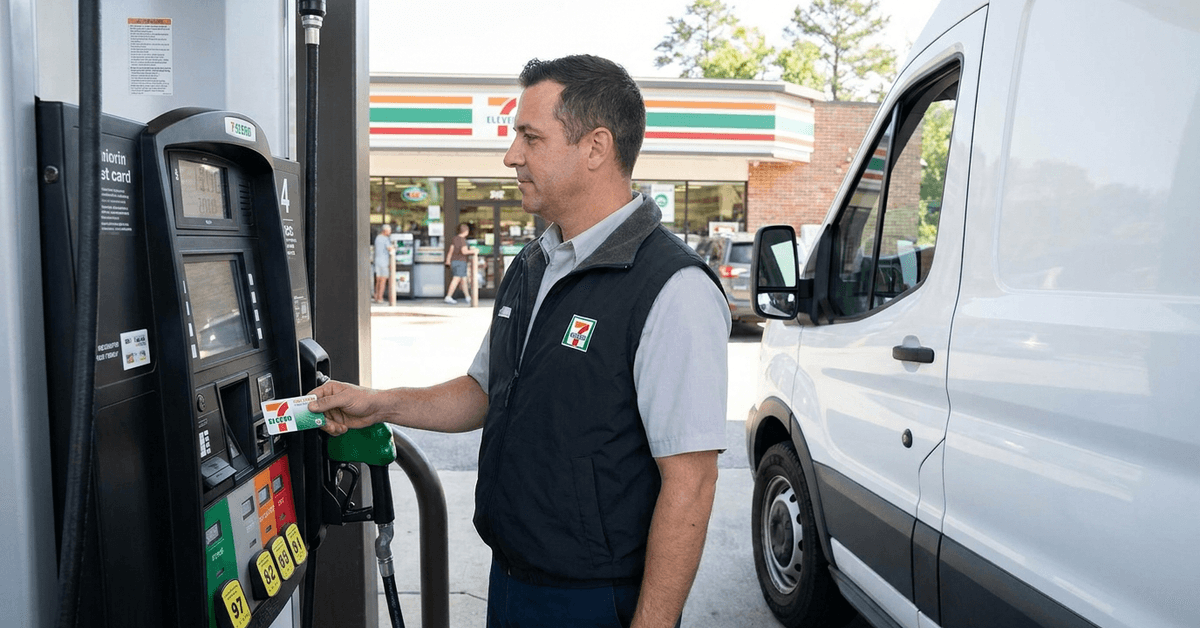
7-Eleven offers fleet cards for commercial vehicles. These products support fuel expense control through reporting, restrictions, rebates, and different networks.
Centralized Expense Tracking
Fleet accounts provide centralized reporting for managers. Online tools show transactions, driver activity, and custom reports. This reduces paper receipts.
Customizable Purchase Controls
Managers can set controls by product, quantity, time, or day. These purchase restrictions support business rules. Some programs also restrict merchants or drivers.
Enhanced Security for Transactions
Driver IDs and alerts add transaction security beyond cash reimbursement. Managers can manage drivers and cards online. These tools identify unusual spending.
Why Consider a Fleet Card for Your Business?
A dedicated card simplifies vehicle spending. Its value often comes from better visibility and consistent controls.
Better Budgeting and Forecasting
Fuel data can reveal patterns by driver or vehicle. This spending information helps compare usage and forecast costs. It also highlights unusual purchases.
Simplified Tax Preparation
Digital records support business-expense bookkeeping. Consolidated statements provide a clearer paper trail than scattered receipts. Businesses should follow professional tax guidance.
Streamlined Reimbursements
Fleet cards reduce personal employee payments. A central account consolidates eligible fuel purchases. This can simplify expenses for companies with several drivers.

Who Can Apply? Eligibility for Fleet Programs
Fleet programs are for businesses with company vehicles, not consumers. Applications require credit approval under program terms.
- Registered businesses, including corporations, partnerships, and LLCs
- Sole proprietors using vehicles for business activity
- Nonprofit or public-sector fleets where accepted
- Businesses with at least one company vehicle
- Applicants able to provide required business information
Requirements depend on the card and issuer. A company considering a 7-Eleven fleet card should review current terms first.
What You Need Before Starting the Application
Preparing information early can reduce delays. The required details vary by card and issuer, but common items include:
- Legal business name and business type
- Federal Employer Identification Number when applicable
- Business address and contact details
- Authorized representative information
- Number of vehicles and requested cards
- Billing or payment details
Newer businesses may face extra verification. Keeping supporting records available can make follow-up easier.
How to Apply for a Fleet Account
Businesses can start on the official fleet website and choose by coverage needs. A complete 7-Eleven application should use accurate business information.
Step 1: Visit the Official Fleet Page
Start with the official 7-Eleven Fleet website. It lists Business Fleet, Business Universal, and Commercial Fleet Mastercard options. Compare coverage for the best fit.
Step 2: Fill Out the Business Application
The form requests company, vehicle, billing, and authorized-person details. Anyone planning to apply business gas card options should provide accurate business data. Missing information can trigger verification.
Step 3: Consent to a Credit Check
Fleet-card accounts are subject to credit review. The issuer may assess business creditworthiness and request more documents. Approval standards vary by product and company.
Step 4: Application Review and Approval
The provider reviews the submission and may request clarification. The review timeline varies with underwriting. Applicants should rely on official updates.
Step 5: Card Issuance and Activation
Approved businesses receive cards and activation instructions. Managers should confirm card controls and driver assignments. Online tools then monitor transactions and settings.
Comparing Fleet Card Options
7-Eleven offers cards with different acceptance networks, so businesses should compare where drivers refuel. A commercial fuel card with broader coverage may suit fleets traveling beyond 7-Eleven, Speedway, and Stripes locations.
| Feature | Business Fleet Card | Business Universal Card |
|---|---|---|
| Acceptance | 8,200+ eligible branded locations | 8,200+ branded locations plus most U.S. fuel locations where WEX is accepted |
| Online Reporting | Custom reporting and real-time review | Custom reporting and real-time review |
| Controls | Product, quantity, time, and merchant controls | Product, quantity, time, and merchant controls |
| Fees | No setup or monthly card fee under current terms | Setup and monthly card fees under current terms |
The Commercial Fleet Mastercard adds Mastercard acceptance in the United States. Businesses should compare network reach, rebates, and costs before choosing.
Costs and Fees: What to Expect
Fees differ by card rather than following one schedule. Current published terms show different pricing structures across available products.
- Business Fleet Card: no setup or monthly card fee under current terms
- Business Universal Card: setup fee and monthly per-card fee
- Commercial Fleet Mastercard: monthly per-card fee
- Rebates and other terms vary by product and qualifying purchases
Rates, rebates, and fees can change, so businesses should review the current agreement. The total account cost matters alongside fuel savings.
Tips for Smooth Application and Management
Good preparation can simplify application and administration. These practical habits can reduce errors and improve oversight.
Double-Check Eligibility Early
Confirm that the business structure, vehicle use, and operating area fit the chosen program. This early review can prevent applying for an unsuitable card. Businesses with unusual needs can contact the provider first.
Keep Copies of Submission Materials
Save forms, supporting documents, and issuer communications. Organized application records make verification requests easier to answer. They also help if account details need correction.
Monitor Usage Actively
Set driver rules, review transactions, and use alerts after activation. Regular account monitoring can reveal mistakes or misuse quickly. Managers can adjust controls as routes or staffing change.
Common Questions About the Application Process
Businesses often ask about approval, eligible organizations, and adding cards later. Current program terms and issuer decisions determine the final answer in each case.
How long does approval usually take?
Approval timing varies by application. Complete documents may support a faster review, while extra verification can extend processing. Applicants should monitor official communications for updates.
Can non-profit or government fleets apply?
Some organizational fleets may qualify under program requirements. Eligibility depends on the specific account type, documents, and issuer review. The provider can clarify the suitable product.
What if my business needs more cards later?
Online account tools allow businesses to manage drivers and cards after setup. Additional cards may be available as a fleet expands, subject to terms. Managers should confirm added fees before ordering.
Conclusion
7-Eleven fleet programs can help businesses centralize fuel spending control and monitor driver purchases. Different cards provide different acceptance networks, fees, rebates, and management features.
Reviewing official terms before applying can help a company choose a product that fits its routes and budget. Ongoing monitoring can preserve the operational value of the account.