Choosing a credit card can feel overwhelming when features and fees vary widely. This guide explains Visa card options, application steps, benefits, and responsible use.
It also covers rewards, security, travel protections, costs, and duties. Card choices become clearer before applying.
Understanding Visa Card Types and Their Features
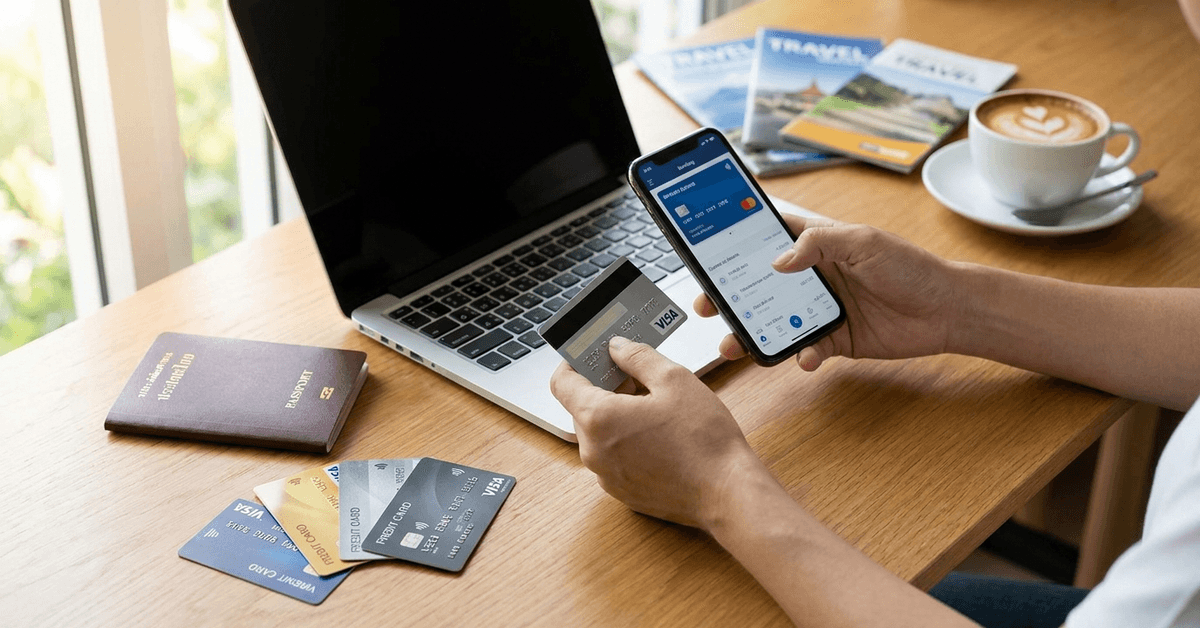
Visa supports cards from banks and financial institutions worldwide. Understanding different card types helps readers compare features with their spending habits and needs.
Standard, Gold, Platinum, and Signature
Visa tiers can include protections, services, and issuer features. Standard cards emphasize essential payment functions, while premium tiers may add travel or lifestyle extras. Benefits vary by issuer and country, so exact terms should guide comparisons.
Debit vs. Credit vs. Prepaid Visas
Debit Visa cards draw money from a linked bank account. Credit cards provide a revolving credit line, while prepaid cards use funds loaded beforehand. These differences affect eligibility, fees, flexibility, and everyday money management.
How to Apply for a Visa Card: Step-by-Step Guide
Visa cards are usually issued by banks or financial institutions, not Visa directly. The application process depends on the issuer, local rules, card type, and applicant profile.
Checking Eligibility
Most issuers require minimum age, identity, income, and residency criteria. Issuers may also review credit history details before deciding on approval. Requirements differ for student, secured, standard, or premium cards, so published criteria matter.
Selecting the Right Visa Card
The right card depends on spending habits, fees, rewards, and use. Frequent travelers may prioritize foreign transaction costs, while shoppers may value cashback or points. Comparing rates, annual fees, eligibility, and Visa card benefits can clarify suitability.
Online Application Process
Many issuers accept applications through secure websites or banking apps. A typical online application requests personal, financial, employment, and contact information.

People who apply Visa credit card products should use official issuer channels and check credit-inquiry terms.
Required Documentation
Common documents include identification, proof of address, income records, and employment information. Some issuers request additional verification documents when details cannot be confirmed electronically.
International residents may face extra requirements depending on local rules, bank policies, or individual credit history.
What to Expect During Approval
Some applications get quick decisions, while others need manual review. Approval follows issuer underwriting standards, submitted information, credit history, income, and permitted checks. A delayed or declined credit card application can reflect those individual criteria.
Unlocking Visa Card Benefits: What’s Available?
Card benefits may combine issuer features with selected Visa services. Reviewing the benefits guide carefully shows what activates automatically and what requires registration or purchases.
Purchase Protection and Extended Warranties
Some Visa cards may protect eligible purchases against theft or damage. Certain products also include extended warranty coverage under specific conditions. Limits, exclusions, deadlines, and documents vary, so current issuer terms should guide expectations.
Travel Insurance and Emergency Services
Eligible Visa products may include trip interruption, rental vehicle coverage, or lost luggage assistance. Premium cards can add emergency travel support or referrals in some markets. Coverage often depends on paying eligible travel costs with the card, so conditions matter.
Access to Exclusive Events and Concierge Services
Visa Signature or Infinite cards may provide travel, dining, entertainment, or lifestyle offers. Certain products also include concierge assistance for reservations or planning. Availability varies by issuer and country, so premium branding does not guarantee every service.
How to Access and Use Your Visa Card’s Benefits
Using card benefits requires understanding activation rules, eligibility conditions, and redemption procedures. Some included protections activate automatically, while others depend on registration, purchases, or specified payment methods.
Registering for Perks or Rewards
Rewards programs may require enrollment through a bank website, app, or portal. Setting up account access early helps monitor points, cashback, promotions, and expiration dates.
Cardholders seeking to unlock Visa rewards should follow issuer instructions because rules differ.
Redeeming Rewards or Making Claims
Points, miles, or cashback may cover travel, merchandise, gift cards, or statement credits. The redemption value depends on the issuer and product.
Insurance or warranty claims often require receipts and supporting records, making careful documentation useful.
Tips for Maximizing Visa Card Use Safely
A Visa card can be useful when spending stays manageable and payments remain scheduled. Understanding costs and limits matters because interest, penalties, or avoidable fees can reduce rewards.
Understand Your Card’s Fee Structure
Some cards have no annual fee, while others charge for premium services. International purchases, cash advances, transfers, or late payments may involve separate card fees. Reading the pricing schedule identifies transactions that may create costs.
Monitor Card Activity and Use Alerts
Transaction alerts can help cardholders notice unfamiliar purchases or unusual activity. Many issuers provide real-time notifications through apps, email, or texts. Regular reviews also help identify billing errors and report suspicious activity quickly.
Mix Card Use with Other Payment Methods
Using another payment method provides flexibility if a card is unavailable or blocked. A backup payment option can help while traveling or at merchants with limited acceptance. Visa can be prioritized when its rewards or protections are useful.
Important Considerations: Security, Privacy, and Responsible Use
Card security depends on issuer protections and careful handling of account information. Using secure payment channels and protecting card details can reduce fraud, phishing, and unauthorized transactions.
Reporting Lost or Stolen Cards
A lost or stolen card should be reported through the issuer’s support channel. Prompt reporting can limit unauthorized use and allow the bank to block or replace it. Travelers may keep issuer contact information separately if the wallet disappears abroad.
Building Positive Credit History
Responsible card use may support stronger credit when reported to local bureaus. Timely payments and controlled balances can demonstrate consistent account management. Credit scoring differs by country, so systems may weigh utilization, history, and account age differently.
Legal and Tax Implications for Visa Cardholders
Legal and tax rules vary by country, issuer, and account activity. Reviewing local financial rules and official terms can clarify obligations not obvious from promotional materials.
Interest and Late Payment Penalties
Carrying a balance can create interest charges under the card’s rate and billing terms. Missing payments may also trigger late payment fees or credit consequences where permitted. These costs can outweigh rewards, making repayment planning important.
Understanding Your Cardholder Agreement
The cardholder agreement explains rates, fees, payment rules, disputes, and legal responsibilities. Reading the current agreement terms clarifies how the account works and when conditions change. Issuers can update terms legally, making account notices worth reviewing.
Conclusion
Visa cards can provide flexibility, protections, and rewards when terms match personal needs. Comparing features and costs before applying can prevent unnecessary expenses.
Timely payments and secure habits support responsible use. Value comes from understanding benefits and obligations clearly.