Gig work can appeal to people seeking flexibility or extra income. This guide explains the DoorDash signup process, requirements, app use, earnings, and common challenges.
It also covers first deliveries, ratings, expenses, insurance, and taxes. These details can help readers assess whether delivery work fits their schedule.
Why Consider Becoming a DoorDash Driver?
Food delivery can fit around other responsibilities. People considering a food delivery gig may value the ability to choose when they are available.
Flexible Hours for Any Schedule
Flexible scheduling remains one of the role’s main attractions. Drivers can plan delivery hours around work, classes, family needs, or weekends. That independence provides greater control over working time.
Earning Potential with Minimal Barriers
Signup generally requires no degree or extensive delivery experience. This lower entry barrier suits varied backgrounds. Earnings can still vary by location, demand, time, expenses, and the offers a driver chooses.
Simple Requirements
Applicants must meet local age, identity, transport, smartphone, and screening requirements. These basic eligibility rules can be simpler than many traditional job requirements. Supported vehicle options may include cars, scooters, motorcycles, bicycles, or e-bikes.
How the DoorDash Dasher Signup Process Works
The signup process includes several stages. Reviewing the application steps can simplify account setup.
Meeting the Basic Requirements
Before a DoorDash driver application, applicants should confirm local eligibility. The main requirements cover age, identification, transportation, smartphones, and screening.
- Applicants must meet the minimum local age required for Dashers.
- Motorized vehicle users generally need a valid driver’s license, insurance, and applicable vehicle documents.
- Access to a compatible smartphone is needed to use the Dasher app.
- Applicants must complete the required identity and background screening process.
Signing Up Online
DoorDash handles signup through its online Dasher platform. Applicants provide contact and identity details, choose transportation, and submit documents. People who apply DoorDash should use the official signup channel and review local requirements.
Completing the Background Check
Applicants must complete identity verification and a background check before activation. The screening process may review criminal history and, for motorized drivers, driving records through a third-party provider. Processing time varies by location, records, and extra reviews.
Attending Orientation or Completing Online Learning
Some markets may provide onboarding information or digital guidance for new Dashers. These learning materials can explain app use, pickups, drop-offs, and customer communication. Activation steps can vary by market.
The Role of the DoorDash App in Daily Operations
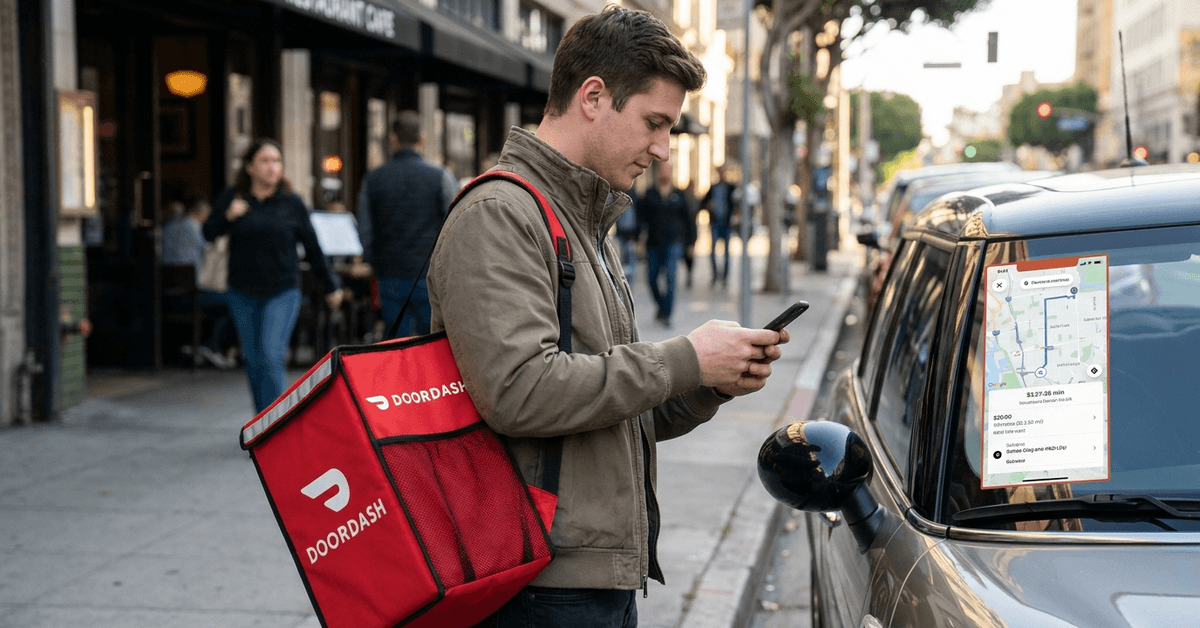
The Dasher app manages offers, navigation, delivery instructions, earnings, and account activity. Learning the app workflow can make early deliveries easier.
Receiving and Accepting Orders
Delivery offers help Dashers decide whether to accept. Drivers can review offer details such as expected pay and distance. They are generally free to accept or decline individual offers according to their preferences.
Navigating to Restaurants and Customers
The app provides directions to pickup and delivery locations during active orders. Drivers may use built-in navigation or another compatible navigation service when they prefer different routing information. Traffic, construction, building access, or incorrect details can complicate routes.
Tracking Earnings and Managing Payouts
Earnings information appears inside the Dasher app after completed deliveries. Weekly direct deposit is automatic, while eligible U.S. Dashers may use Fast Pay for a fee. Drivers should review payout rules, processing requirements, and available options before choosing a method.
Potential Challenges to Consider
Signing up can be straightforward, but availability and activation are not identical in every market. Applicants should carefully consider possible delays such as screening reviews, local capacity, technical issues, or limited delivery demand.
Market Saturation and Waitlists
Some areas may have enough active Dashers to meet existing order demand. In those markets, signup availability may be limited or applicants may need to wait before becoming active. Demand can change over time, so availability in one city does not necessarily reflect another market.
Vehicle and Smartphone Requirements
Supported transportation methods can vary between cities and delivery zones. A compatible device is also important because the Dasher app handles offers, navigation, communication, and earnings information.
Applicants should check current platform requirements if their phone, operating system, or transportation method may not be supported.
Optimizing Your DoorDash Application and First Rides
Approval is only the beginning of learning how deliveries work in practice. Some basic preparation can help new Dashers understand busy periods, expenses, routing, customer expectations, and personal earning goals.
Understanding Peak Hours and Hotspots
Delivery demand changes throughout the day and across different zones. Lunch, dinner, weekends, events, or poor weather may create higher order demand in some markets. Experience can help drivers identify when and where available offers better match their time and travel costs.
Setting Realistic Income Expectations
Payment varies by order, market, distance, time, tips, and available promotions. New drivers should view earnings estimates carefully and account for fuel, maintenance, taxes, and other operating costs.
Routing knowledge and familiarity with local restaurants may improve efficiency, but earnings are never guaranteed.
Maintaining Ratings and Reviews
Customer ratings and delivery performance can become part of the Dasher experience. Clear communication, careful handling, and timely deliveries can support better customer experiences when circumstances are within the driver’s control.
Restaurant delays, traffic, unavailable customers, or incorrect instructions can still affect individual deliveries.
Legal and Tax Factors for DoorDash Drivers
Dashers generally work as independent contractors rather than traditional employees. Understanding tax and legal responsibilities can help drivers plan for expenses, records, insurance, and year-end reporting.
Tracking Expenses
Delivery work may involve deductible business expenses depending on tax rules and individual circumstances. Keeping organized expense records for mileage, phone use, equipment, and other eligible costs can simplify year-end preparation.
Tax treatment varies by jurisdiction, so professional guidance may be useful when deductions are unclear.
Insurance and Accident Coverage
Drivers should understand how personal auto insurance applies when a vehicle is used for deliveries. Insurance requirements and platform coverage can differ by location, delivery status, policy, and type of incident.
Reviewing policy terms with the insurer can help identify exclusions or additional coverage needs before driving regularly.
Understanding 1099 Forms
In the United States, DoorDash sends eligible Dashers a 1099-NEC when annual platform earnings reach at least $600. Drivers should keep income records even when a form is not issued, because reporting obligations can still apply.
People who become a Dasher should consider professional tax help when unsure how delivery income affects their return.
Conclusion
DoorDash can provide flexible delivery work for people who meet the platform’s requirements. Understanding signup and costs can make expectations more realistic before starting.
App familiarity, careful expense tracking, and responsible driving can support smoother daily work. Reviewing current local requirements remains important because eligibility, availability, and overall delivery conditions can vary.