For people seeking extra income or flexible work, Uber Eats delivery can be an accessible option. The role combines independent scheduling with app-based delivery tasks.
This guide explains eligibility, application steps, documentation, payments, and practical considerations. It also covers preparation, insurance, taxes, and what happens after approval.
Understanding the Uber Eats Driver Role
The role involves more than collecting and dropping off food. Couriers need basic delivery skills and awareness of local rules.
What Does an Uber Eats Driver Actually Do?
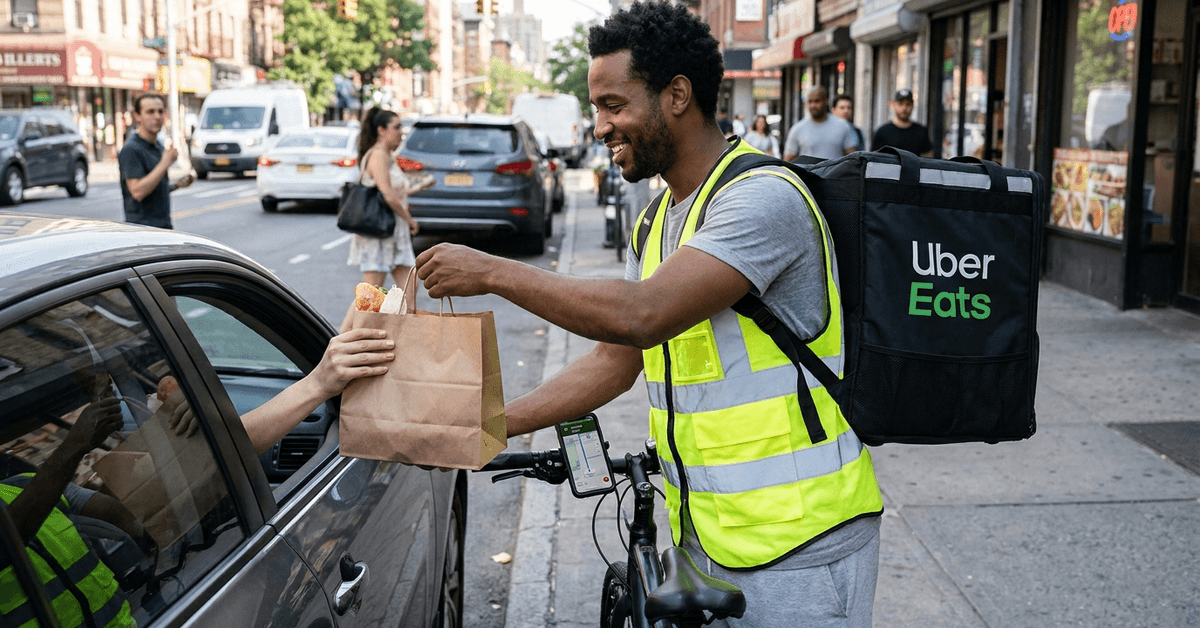
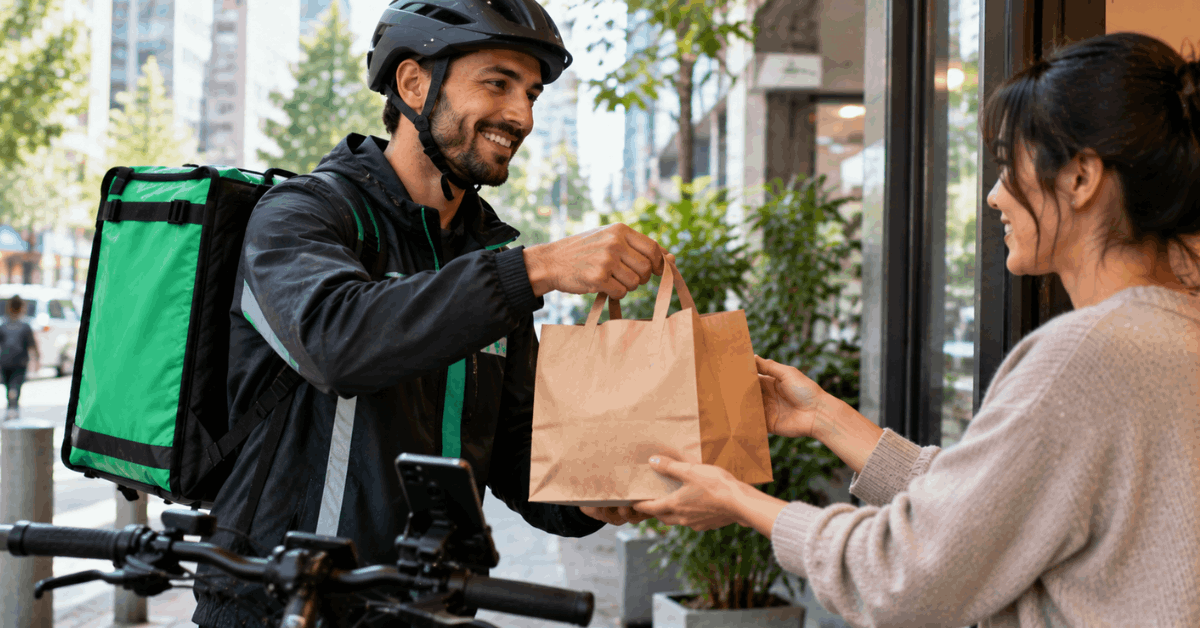
Couriers collect orders from restaurants or stores and deliver them to customers. The work requires route planning, time management, and clear communication.
Depending on the market, deliveries may be completed by car, bicycle, scooter, or another approved method.
Who Is Eligible to Drive for Uber Eats?
Eligibility depends on location, age, vehicle type, and local rules. Applicants generally need valid identification, work eligibility, and documents for their delivery method. Some markets also require driving history checks or background screening.
Why Consider Driving for Uber Eats?
Many people value this work for flexible scheduling and independent routines. A food delivery gig can fit around study, family duties, or another job.
Flexible Scheduling
Couriers can usually choose when to go online and accept deliveries. This schedule flexibility suits changing commitments. Demand is often stronger during lunch, dinner, weekends, and busy periods.
Earning Potential
Earnings depend on location, distance, demand, incentives, and completed deliveries. Income can vary between shifts. Fuel, maintenance, insurance, and taxes should be considered when estimating take-home earnings.
Low Barriers to Entry
Registration is generally simpler than many traditional hiring procedures. Applicants with eligible transportation and required documents may start without previous delivery experience. Local requirements still determine account activation.
How the Uber Eats Application Process Works
The Uber Eats driver application is mainly completed through official Uber channels. Requirements vary by market, so applicants should follow local instructions.
1. Online Registration
Applicants begin through the official Uber delivery page or app. They provide basic personal information, contact details, and a delivery method. Anyone planning to apply Uber Eats should confirm that courier registration is open locally.
2. Vehicle and Document Checks
Car, scooter, or motorcycle applicants may need registration, insurance, and license documents. Document requirements vary by vehicle type and local rules. Bicycle or walking couriers may face different checks.
3. Background Screening
Uber may conduct background screening where required or permitted. Reviews can include driving history checks and records relevant to local rules. Processing times vary by provider and jurisdiction.
4. Approvals and Account Activation
Applicants are notified when checks and documents are completed. Account activation may take longer if extra verification is needed. Missing, expired, or unclear documents can cause delays.
5. Getting Ready: App Setup
After approval, couriers use the Uber Driver app to manage deliveries. The driver app interface provides pickup details, navigation, instructions, and earnings information. Some markets also provide onboarding or safety guidance for new couriers.
Tips for a Successful Application Process
Small errors can delay approval even when an applicant otherwise qualifies. Preparing accurate application materials beforehand can make the process smoother.
- Check every uploaded document for readability, current dates, and matching personal information.
- Review local requirements for age, insurance, vehicle type, and work authorization.
- Keep phone and email notifications enabled for verification requests or status updates.
- Respond promptly if Uber requests additional documents or clarification.
- Make sure the name and address on submitted records are consistent where required.
What Happens After Approval?
Approved couriers can access delivery opportunities available in their market. The first delivery experience usually involves learning the app, pickup procedures, and customer communication.
Understanding the Interface
The Uber Driver app displays available delivery requests with key trip information. Couriers can review pickup and drop-off details before or after accepting, depending on local settings. Navigation and order instructions are then provided through the app.
Getting Paid
Uber generally sends courier earnings through available payout methods in each market. Payment schedules can include regular bank deposits or faster withdrawal options where supported. Tips and incentives may appear separately and can follow different processing timelines.
Requirements and Documentation: A Closer Look
Requirements differ between countries, cities, and delivery methods. People comparing courier jobs should always check the rules for the specific market where they plan to work.
The following items are commonly requested during registration. Exact eligibility standards can change by location.
- Minimum Age: Applicants must meet the local minimum age for their chosen delivery method.
- Driver’s License: Motor vehicle couriers generally need a valid and current license.
- Vehicle Insurance: Required coverage depends on local law and the type of vehicle used.
- Background Check: Screening may be required where permitted or mandated.
- Smartphone with GPS: A compatible device and stable data connection are needed to use the driver app.
Some applicants may encounter rejected files, expired documents, or verification delays. These common application issues are often resolved by uploading clearer or updated records.
Applicants should follow in-app instructions rather than submitting information through unofficial channels.
Key Considerations Before Getting Started
Flexible work still comes with costs and responsibilities. Couriers should evaluate operating expenses and legal obligations before relying on delivery income.
Insurance and Liabilities
Personal vehicle insurance may not cover commercial delivery activity. Couriers should review insurance coverage terms and any local requirements before accepting orders. Additional delivery or rideshare coverage may be necessary depending on the insurer and jurisdiction.
Tax Implications
Tax treatment depends on local law and worker classification. Couriers may need to track earnings and expenses, mileage, fees, and deductible costs.
Independent contractors can also have filing or estimated-payment obligations that differ from employees.
Frequently Asked Questions About Applying for Uber Eats
New applicants often have questions about experience, vehicles, background checks, fees, and busy periods. The answers below provide general guidance, while local rules remain controlling.
- Do I need prior delivery experience? Usually not, although customer service and navigation skills can help.
- Can I use a rental car? Availability depends on local rules, insurance, and approved rental arrangements.
- How long does the background check take? Timing varies by region and verification provider.
- Is there a cost to apply? Uber generally does not charge an application fee, although document or insurance costs may apply.
- Are there peak hours? Lunch, dinner, weekends, and local events often bring higher demand.
Conclusion
Driving for Uber Eats can offer flexible delivery work for people who meet local eligibility requirements. The process usually involves registration, document review, screening, activation, and app setup.
Costs, insurance, taxes, and demand should be considered before starting. Careful preparation can make the application and early delivery experience easier to manage.